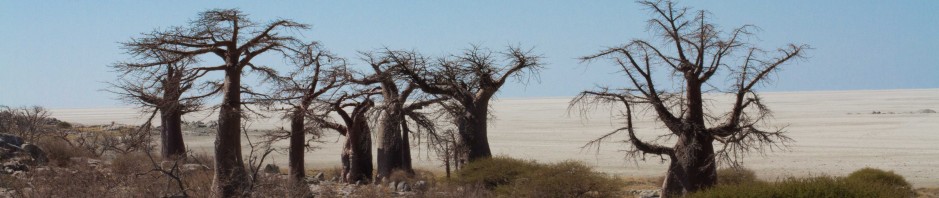
Sue and I recently undertook a photo safari to Etosha with Coetzer Nature Photography led by Lou and Veronica Coetzer.
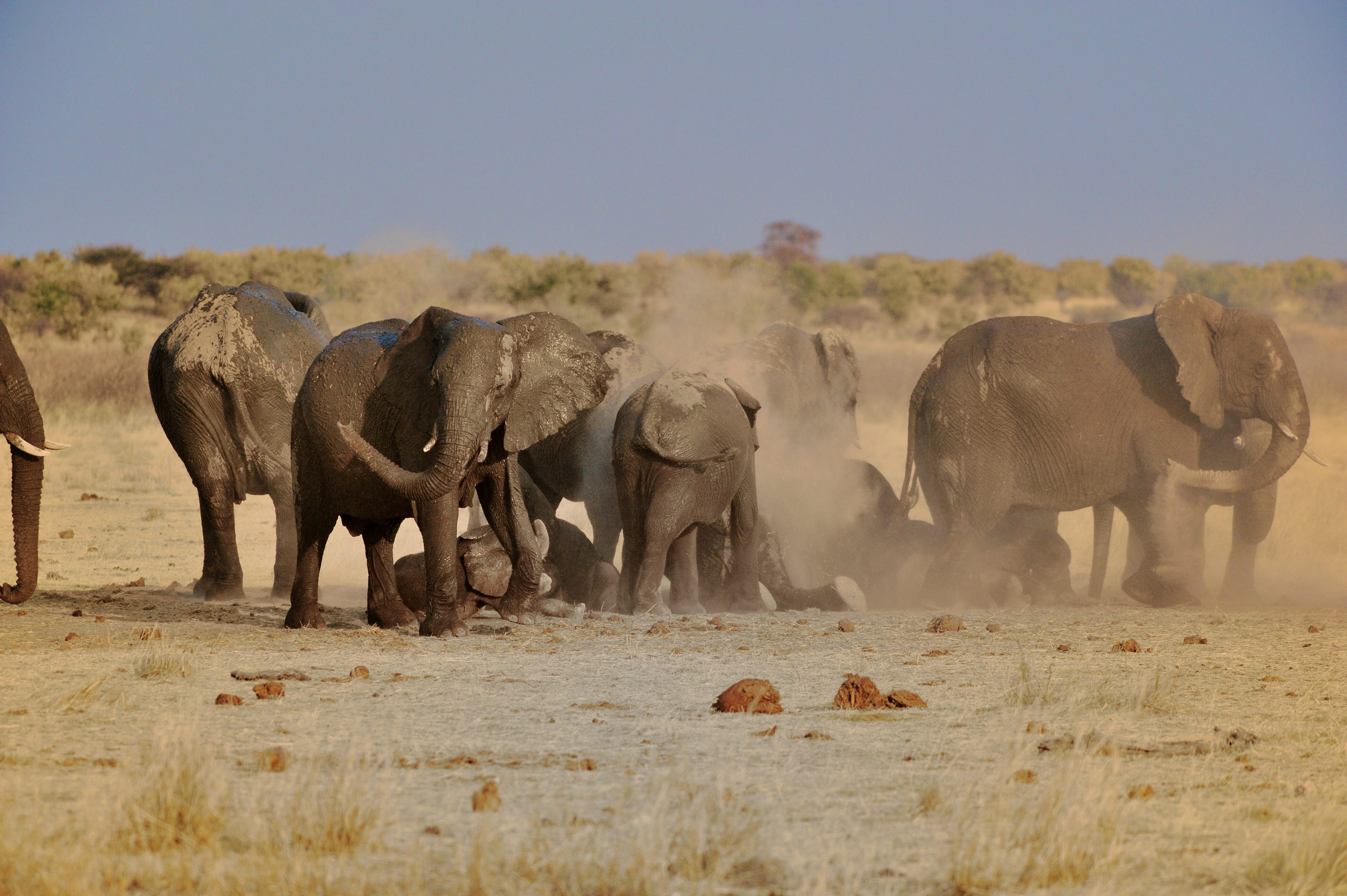
Elephant Herd at Kameeldoring Water Hole
I have always yearned to do Etosha, but somehow we have never gotten round to go there. Nevertheless we were picked up in Windhoek by Fritz on 31 August where we met our four fellow travelers and photographers, Jacques, Rona, Karen and Karl. We were on our way to Etosha for six days. Windhoek to Etosha takes about 6 hours with various biltong and coffee stops. We arrived at luxury Onguma Lodge tented camp around 3 30pm where we met our hosts for the week, veteran nature photographers Lou and Veronica Coetzer.
We settled into the comfortable rooms and met around a welcome warm fire over a drink for our welcome briefing after which we have a delightful dinner before getting into bed as an early rise was in the offing (430) as Lou wanted us in the vehicles by 5 15. He expected a lion sighting…
We were in the park at 5 45 and then traveled to Mushuru the first water hole. This is a hole not frequented by the general public and a special permit had to be applied for. Just before the hole we saw two lions in the veld. We hastily prepared for the anticipated lion shoot a few hundred yards further down the road although furtively glancing over our shoulders as some off us moved to the other vehicle. Lou had specially prepared two vehicles for three photographers each in addition to him and Veronica in the two front passenger seats respectively. Every photographer has his station behind his mounted camera and long lens. The seats are comfortable and one is able to swivel probably at least 150 degrees horizontally and about 120 degree vertically (my guess). This is world class and unique and the first time that the the vehicles were used. (We were the third group though). The idea was based on what they have been doing with great success at Chobe.
In any event in the meantime Sue and I received rapid introduction to Nikons (we are Canon guys!) while the vehicles were positioned at the water hole. Suddenly we saw that there were two remaining lions at the water hole. It was not yet sunrise so life was not perfect (for a photographer), but good enough to suddenly have rapid fire from the two vehicles. The two lions also gave us a show by staging a play fight and now it was rapid fire, wow. Suddenly it went quite as they departed, but what a way to start a safari. The waterhole was empty as the king departed. After taking in some liquids and breakfast we watch as the rest of the day unfold, we see a multitude of birds, guinea fowl, doves , kori bustard, ostrich, quillea and others. We also witness a hunt by the small gabber goshawk. Then the springbok arrive followed by eland, zebra, oryx and kudu. The show has begun as a never-ending stream of animals come to quench their thirst. No other predators save for a few jackals. The zebra are quite playful after drinking water and give a great show of necking while we fire away rapidly. We spend the morning there till we depart at around 10.
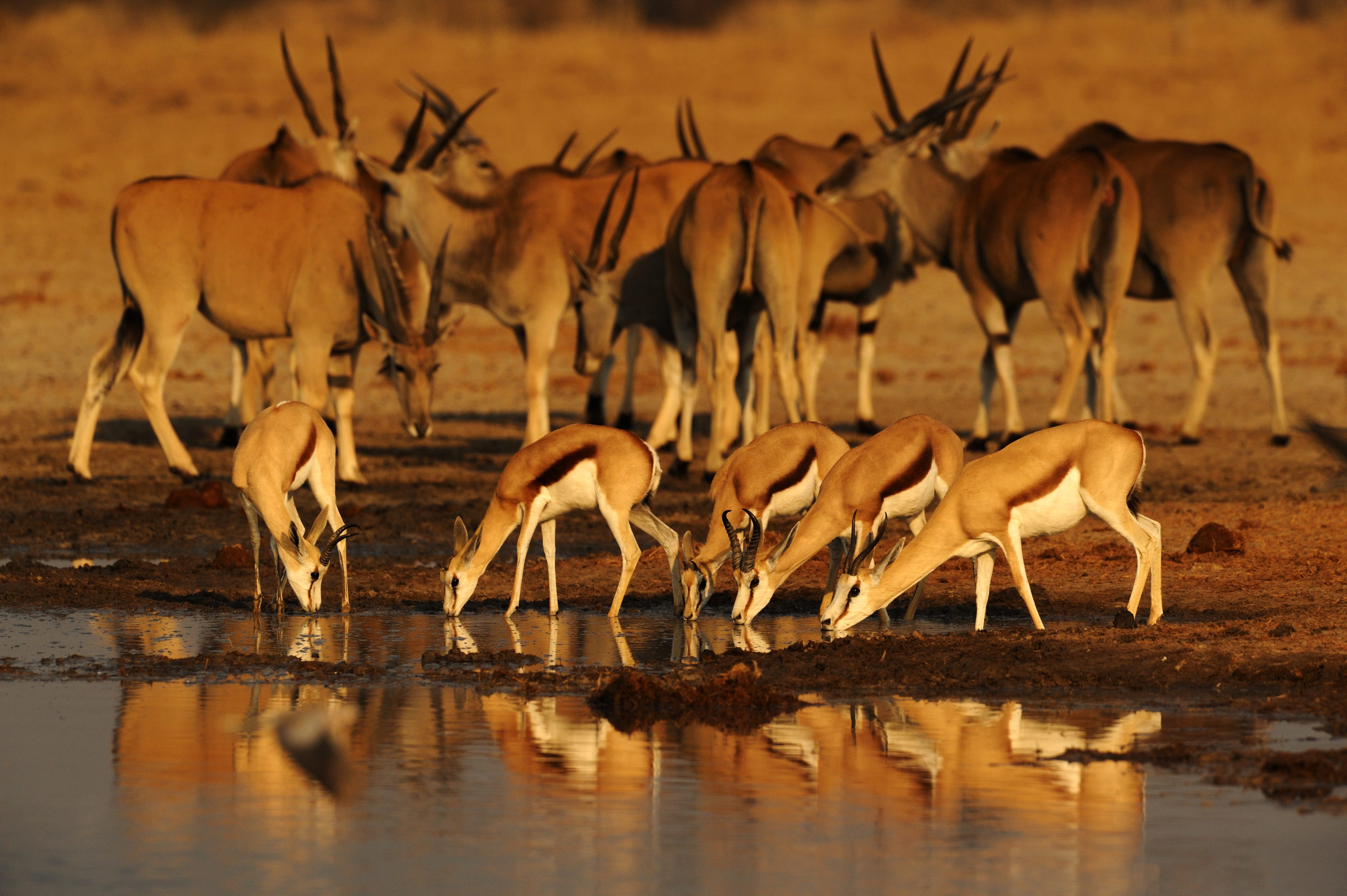
Springbok and eland
The afternoon we go to a second hole called Kameeldoring. Here the bigger animals seem to visit notably giraffe, rhino and elephant. In addition there are a number of bateleur and two species of vultures. A scull face duck family have made the hole their home together with 12 small chicks. On our first visit we see limited elephant action as we probably arrive too late. We are back at the lodge after six and have dinner at seven after which we quietly dive into bed , quite exhausted.
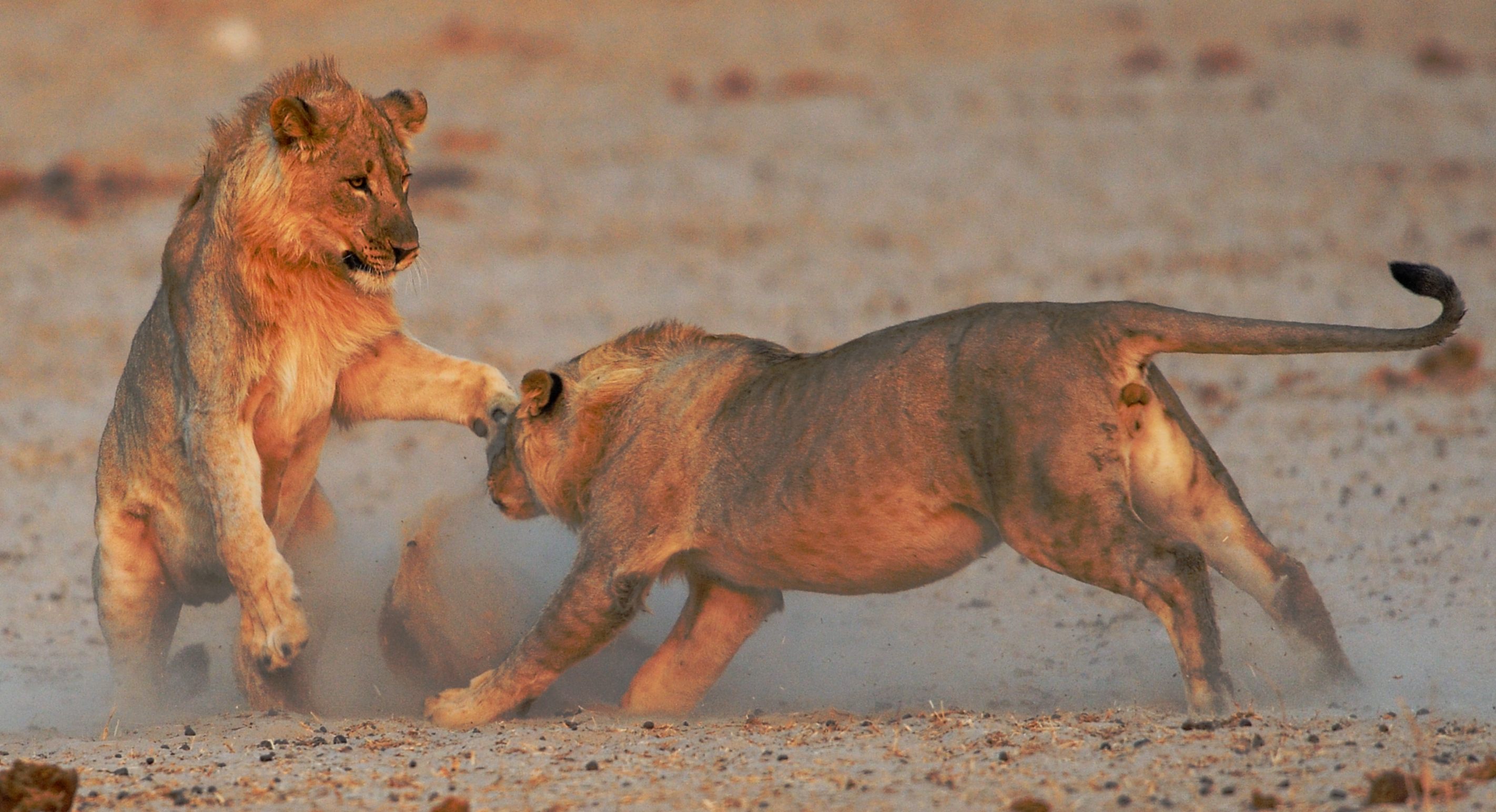
Lions at Mushura
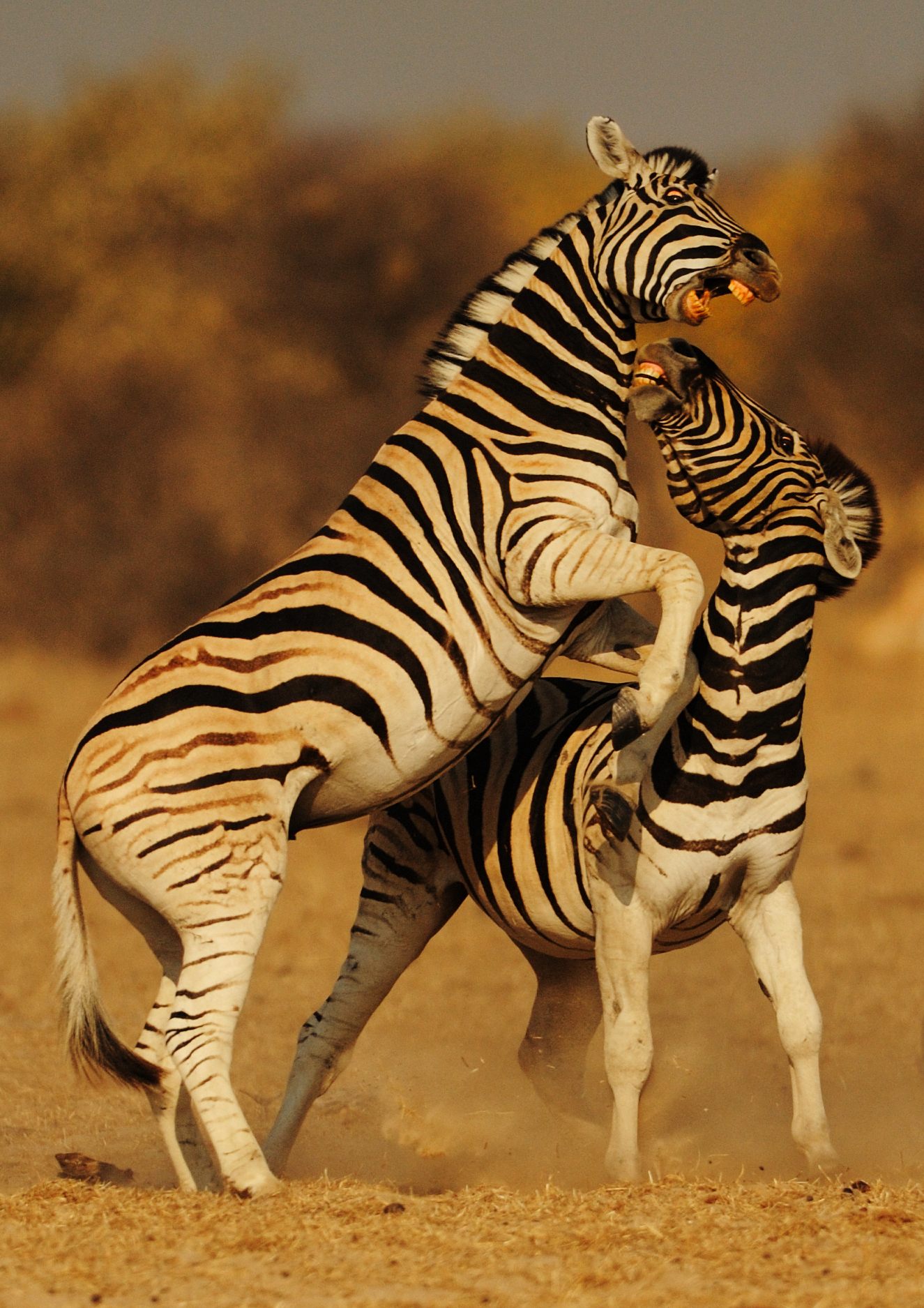
Zebra necking
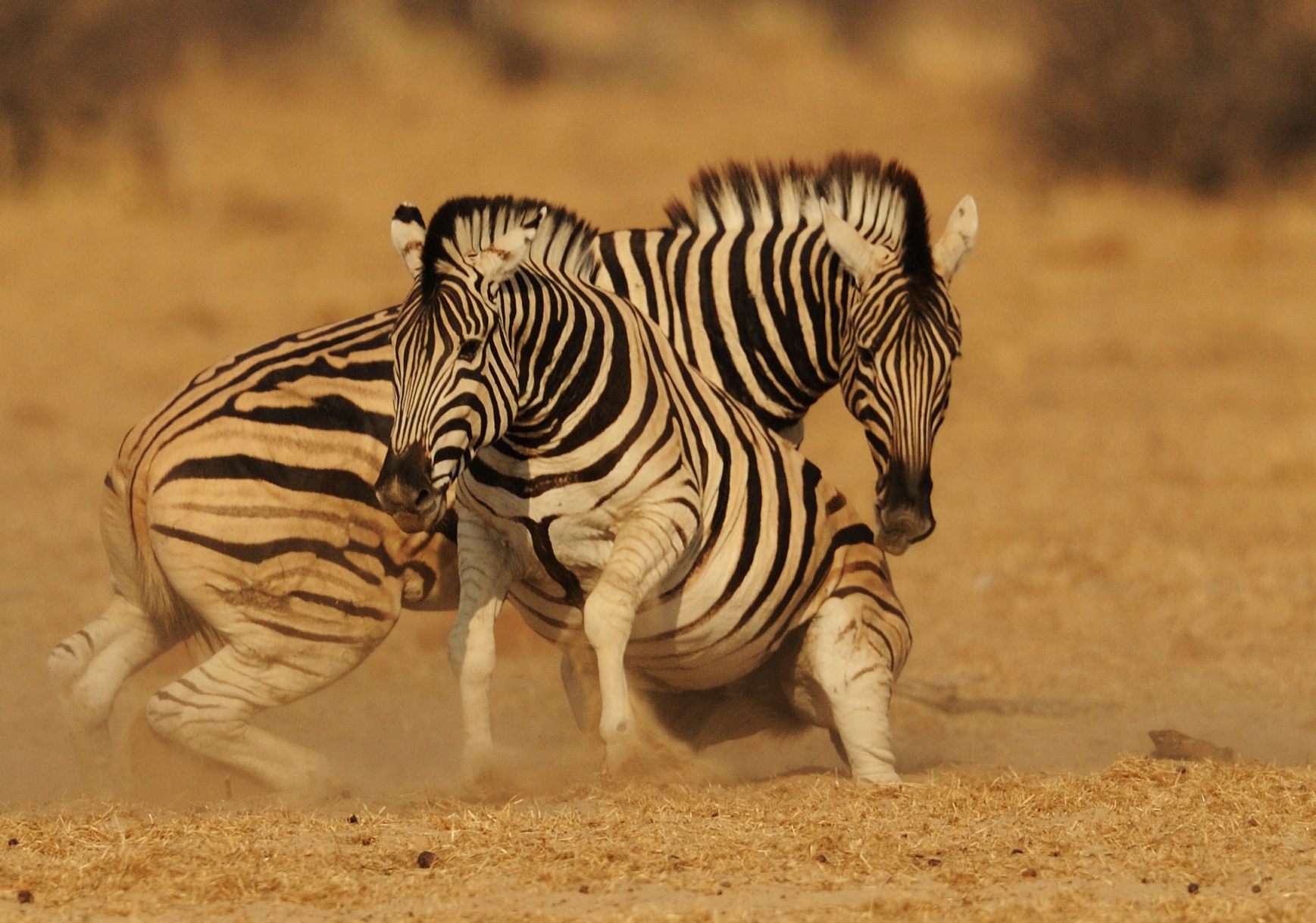 The next day we have the same routine. We only see no lion at Mushuru, but we see large quantities of game. At Kameeldoring we see three large herds of elephants some lonely bulls and one white and two black rhino. The number of elephants including a large number of young made for some anxious moments. The highlight was the black rhino and white rhino greeting each other as we prepare to leave! A lot to talk about over dinner.
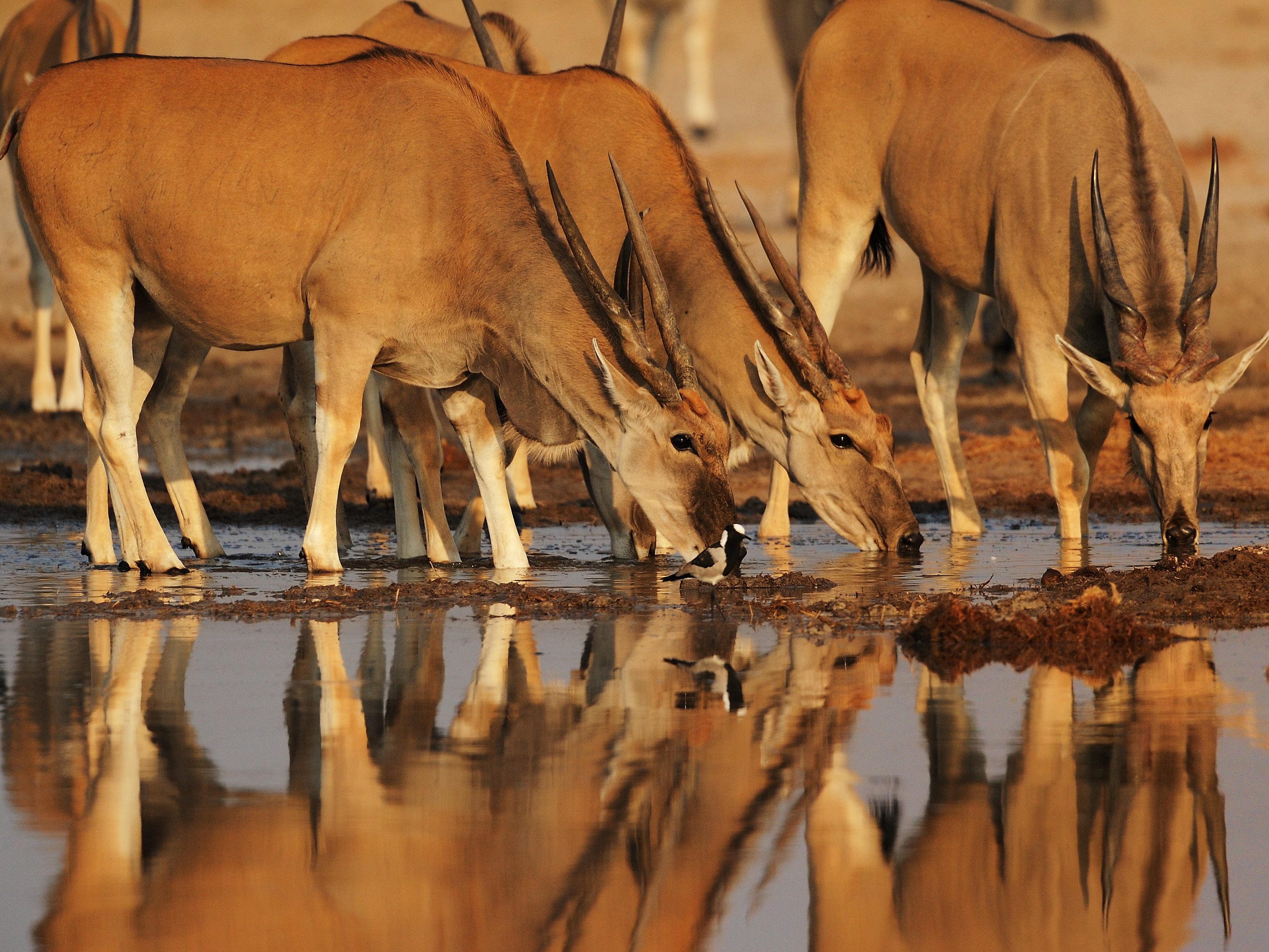
Eland drinking
The third day was again the same routine and we had even more game at both holes. In the morning we also have giraffe at Mushuru. Notable was the number of elephants again at Kameeldoring, but also a much fine bateleur action. I was now shooting with the 200-400mm lens after the 500mm the two previous days; both with 1,4 converters. I learn to shoot at higher ISO to maximize my shutter speed to avoid soft shots. The difficult one to manage is depth of field as once more than one animal is in the fray depth of field is required and that means higher F numbers. Al lot to remember while you focus on “seeing” good shots.
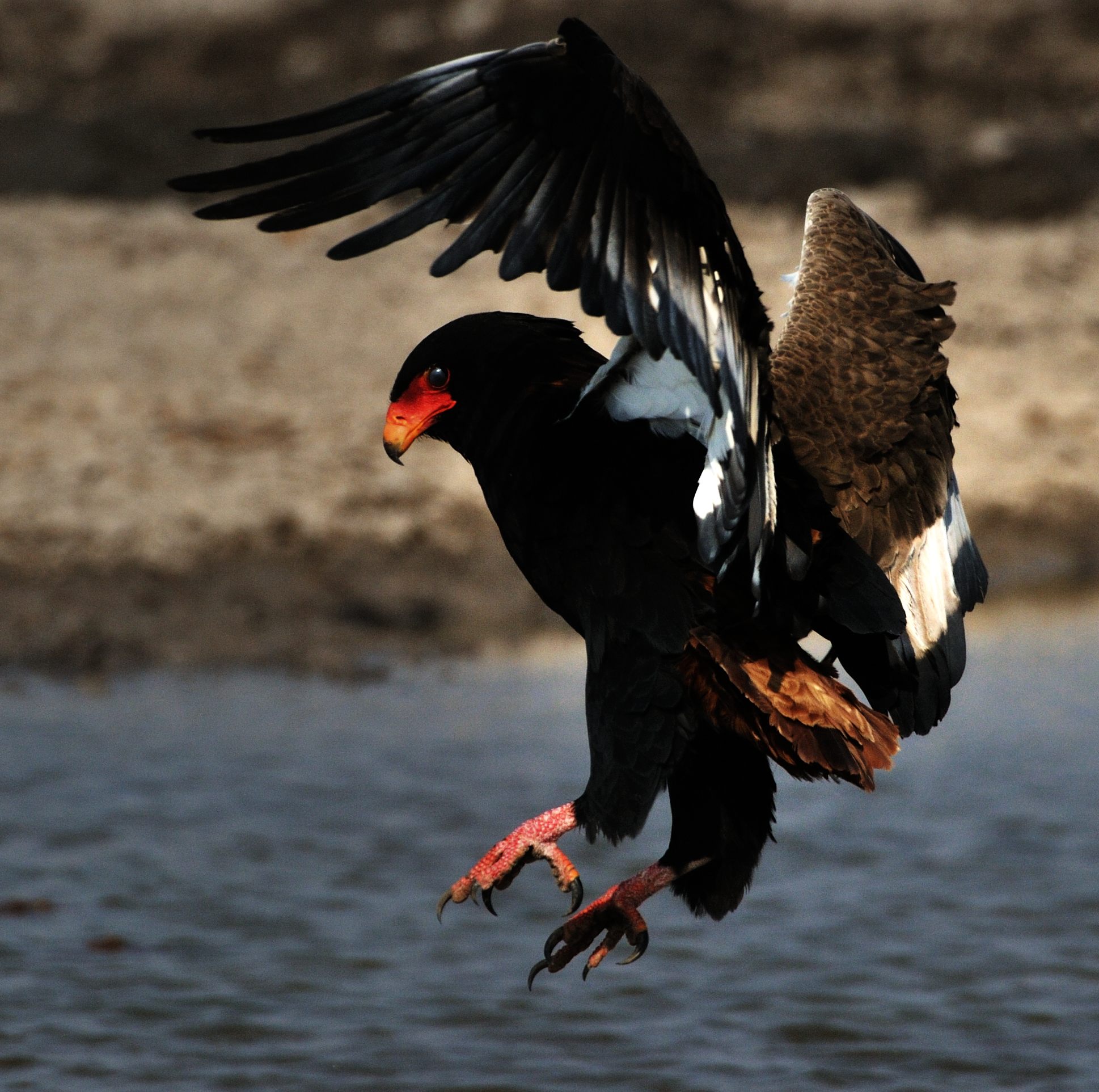
Bateleur landing
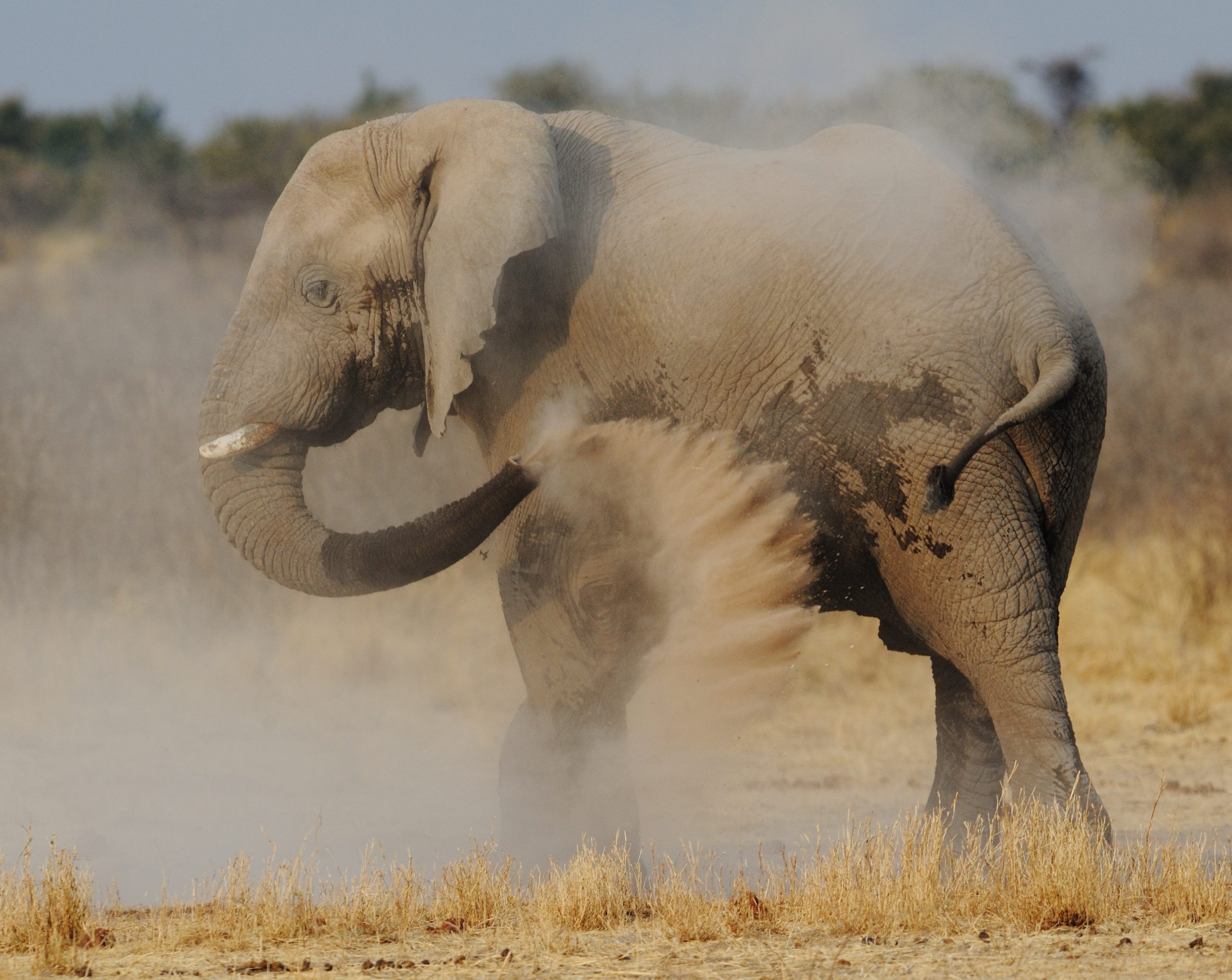
Elephant having dust bath
The last day most of us sleep in although Karen and Karl go off with Veronica. Lou, Jacques and I witness the sad end of the Shark road in the Super 15. What an expected disappointment!. Lets go and rather shoot photos. The afternoon we do a drive around as the public do and see very little as we were spoiled for the week. However towards the end we hit a cheetah kill, but there are about ten vehicles which makes good shooting of the kill next to road in the grass a bit difficult. We cannot position for the right light as we did at the water holes!
We go to a “public” waterhole near Namutoni and find about fifteen vehicles. There is quite a bit of activity of giraffe and hyena and then suddenly a den of about fifteen hyenas appear and provide us with some wonderful shots in a fading light. Some of us shoot at 6000 ISO at slow speed. Wow what a day but sadly it is all over now. On the way back we see a leopard crossing the road (our second one for the week). Who can complain?
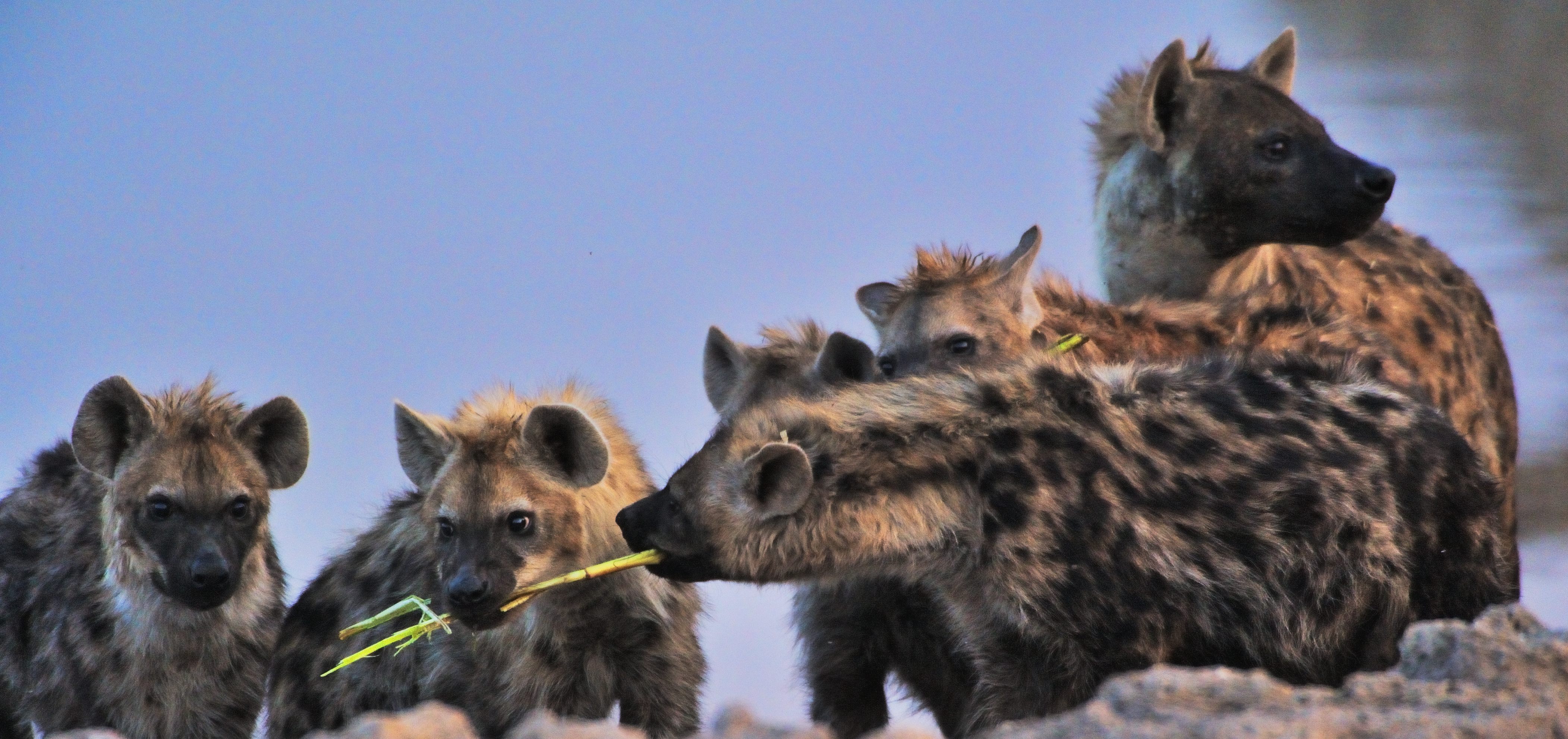
Hyena troop
We have another delightful dinner and go to sleep content with the week’s work. I shot 4000 photos and Sue probably 2000. We hardly had time to sort and select and no time to edit. That will have to wait, especially as Lou has introduced us to his proven system using Photo Mechanic and Nikon Capture NX. [Lou the photos in this piece was done using your system] The next day is the sad good bye and the long road back. Thank you Lou and Veronica for a wonderful experience, tiring, but highly enjoyable. To crown it all good friends have been made. What happens next?
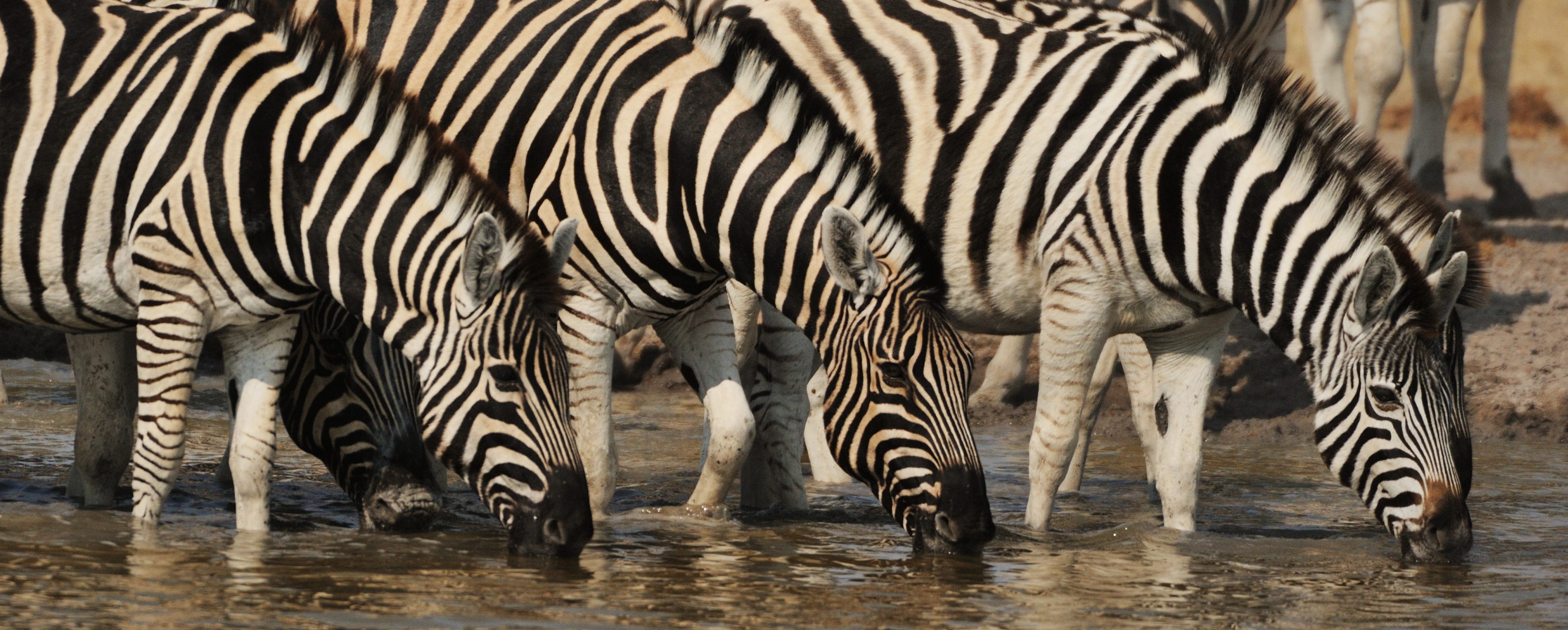
Zebras drinking


 Auditrails